Search

Julia E. Seltzer

Private Music Lessons Gainesville, FL

Month

September 2023

Enhancing Social Skills Through Music Education: Insights from Master Teacher, Shinichi Suzuki, and Collaborative Musician, Yo-Yo Ma

Our social skills play a crucial role in shaping our interactions with others, influencing the quality of our connections in everyday life. While improving these skills might often bring to mind classroom settings or workshops, there is another powerful avenue for personal growth: music education. Within the realm of melodies and rhythms, the significance of collaboration and teamwork becomes evident, facilitating our capacity to listen, communicate, and forge deep connections with others. As cellist Yo-Yo Ma succinctly puts it, “Through music, we learn to listen, communicate, and connect with others on a profound level. It’s a testament to the power of collaboration in human development.” In this exploration, we will examine how music education holds the potential to transform our social lives, drawing insights from Suzuki Method master, Shinichi Suzuki and collaborative musician, Yo-Yo Ma along the way.

The Power of Collaboration in Music Education

In the realm of music education, collaboration and teamwork are not just abstract concepts; they are fundamental components of the learning process. One approach that wholeheartedly embraces this philosophy is the Suzuki Method, a teaching method that has proven highly effective in nurturing not only musical proficiency but also robust social skills in young learners.

The Suzuki Method: A Communal Experience

At the heart of the Suzuki Method lies a deep understanding that music is not just a solo endeavor but a communal experience that enriches the soul and enhances social skills, as Dr. Shinichi Suzuki, the founder of the Suzuki Method, famously stated. “Every child can learn and develop, not just as a musician, but as a compassionate human being. Music education is a journey of self-discovery and building lasting friendships.” This approach places a strong emphasis on group lessons, ensemble playing, and performance opportunities, all of which are designed to cultivate collaboration from the very beginning of a child’s musical journey.

Group Lessons and Their Benefits

One of the cornerstones of the Suzuki Method is group lessons, where students of varying skill levels come together to learn and play. These group sessions offer a wealth of benefits for young musicians. First and foremost, they foster a sense of camaraderie and shared purpose. Children learn to listen to one another, follow the lead of their teacher, and cooperate with their peers.

Perhaps the most significant benefit of group lessons in the Suzuki Method is the cultivation of teamwork and cooperation. Students learn that their individual success is intricately connected to the success of the group. They must collaborate, adjusting their playing to complement their peers, and together they strive to achieve musical excellence. These collaborative experiences foster essential life skills, such as patience, compromise, and empathy. Students discover that, through cooperation, they can achieve more collectively than they ever could as individuals.

Group lessons in the Suzuki Method go beyond the mere development of musical prowess. They serve as a crucible for the formation of young musicians who are not only proficient in their instruments but also adept at working harmoniously with others. These lessons impart invaluable life skills that extend far beyond the realm of music, enriching the social fabric of these young learners’ lives and preparing them for a future where collaboration and teamwork are essential.

Small Ensembles: Duets, Trios, and String Quartets

As students progress in their musical studies, I love to introduce them to the world of small ensembles, including duets, trios, and string quartets. Here, young musicians discover the joy of making music together in a more intimate setting. These experiences require them to not only master their own parts but also blend their sound harmoniously with others. Such collaborations demand not just technical precision but also a heightened sense of musical sensitivity and empathy, fostering deeper social connections among the students. In small ensembles students learn to lead, cue, and move the phrasing of the music together collaboratively. Feel free to contact me personally if you’re interested in participating in a small ensemble here in Gainesville, FL.

Orchestras: The Ultimate Collaborative Experience

In addition to small ensembles, students often have the opportunity to join orchestras. Orchestras exemplify the pinnacle of musical collaboration, where a diverse group of musicians, each with their own instruments and roles, must work in perfect harmony. Participating in an orchestra teaches students discipline, cooperation, and the ability to follow a conductor’s cues – all valuable life skills. Some great, local orchestras that provide opportunities for students are: The Celebration Strings Orchestra, Annasemble, and the Alachua County Youth Orchestra.

Insights from Suzuki Method Master Teachers and Collaborative Musicians

Suzuki Method master teachers have long championed the value of collaboration in music education. Their teachings emphasize not just the mastery of an instrument but also the importance of working together to create beautiful music. They recognize that the act of listening to one another, adjusting one’s playing to complement others, and communicating non-verbally through music are skills that extend far beyond the practice room.

Collaborative musicians like Yo-Yo Ma, one of the most renowned cellists of our time, also stress the significance of working together in music. Ma aptly describes the collaborative process as fostering empathy and human connection: “When musicians collaborate, they learn to empathize with each other’s perspectives and feelings. This empathy extends to their interactions with the world, fostering deep, meaningful relationships.” Through countless performances and collaborations with diverse musicians, he has experienced firsthand how the language of music transcends boundaries and brings people together.

In the world of music education, the unique nature of musical collaboration teaches students not only how to play their instruments but also how to connect with others on a deep and meaningful level. This foundation of teamwork and cooperation nurtures social skills that are valuable not only in the world of music but also in all aspects of life. It’s a reminder that when we create music together, we not only produce beautiful melodies but also harmonize with the rhythms of our shared human experience.

Renowned cellist Yo-Yo Ma, who himself has a background in the Suzuki Method, eloquently highlights the transformative power of collaboration in music education. He says “The skills acquired through musical collaboration—communication, adaptability, leadership, and teamwork—are valuable assets in any career and in building harmonious relationships with others.” Ma’s career, filled with countless collaborations with musicians from various backgrounds, serves as a testament to the profound impact of working together in the world of music.

In conclusion, a teacher’s unwavering commitment to collaboration through group lessons, small ensembles, and orchestras is not just about creating exceptional musicians; it’s about nurturing well-rounded individuals with strong social skills. This approach teaches young learners not only how to play an instrument but also how to communicate, cooperate, and connect with others through the universal language of music.

“When children play music together, they learn to trust themselves and their peers. This confidence is a foundation for success in all areas of life.”- S. Suzuki


For more reading on this subject check out the following books:

  1. “The Art of Possibility” by Rosamund Stone Zander and Benjamin Zander: This book explores transformative leadership and the power of possibility in various contexts, including music education. Benjamin Zander, a renowned conductor, shares his experiences in working with orchestras and young musicians, emphasizing the role of collaboration and creativity.
  2. “The Talent Code: Greatness Isn’t Born. It’s Grown. Here’s How.” by Daniel Coyle: While not solely focused on music education, this book delves into the science of skill development and the importance of deep practice and collaboration in honing one’s talents.
  3. “The Practice of Practice: How to Boost Your Music Skills” by Jonathan Harnum: This book offers insights into effective practice techniques for musicians, including the value of collaboration and playing with others as a means of improving musical skills and fostering social connections.
  4. “Collaborative Learning in Higher Music Education” by Helena Gaunt: This book delves into collaborative learning within higher education music programs, exploring how collaborative approaches can enhance musical and social development among students.

The links provided above are affiliate links. Although you are never under any obligation to buy anything, should you be in the market to do so, using this link will provide a benefit to me and help to support the production of the blog.

Nurturing Musical Talent: A Parent’s Guide to Cultivating a Love of Music

As parents, we all want the best for our children. When it comes to nurturing their musical talent, understanding the science behind skill development and talent acquisition can be a game-changer. In this blog post, we’ll explore how to create a musical family culture that not only fosters talent but also instills a lifelong love of music. We’ll draw insights from two influential books, “The Talent Code” by Daniel Coyle and “Helping Parents Practice” by Edmund Sprunger, to provide practical tips and motivation boosters for parents on this melodious journey.

“The Talent Code” series of books by Daniel Coyle remind us that talent is not solely innate but can be nurtured through effective learning strategies, dedication and environment. It emphasizes the role of focused practice and a supportive environment in talent development.

“Helping Parents Practice” by Edmund Sprunger offers a wealth of wisdom for Suzuki parents, emphasizing the importance of creating a positive learning atmosphere and fostering a growth mindset in young musicians.

To effectively nurture musical talent, it’s crucial to understand what motivates children at different developmental stages.

  • For young children (Ages 3-5), praise and positive reinforcement are powerful motivators. Make them feel like little maestros by offering specific praise and undivided attention during practice.
  • As they enter elementary school (Ages 6-11), children are motivated by achievement. Be a supportive detective, acknowledging their hard work and progress. Encourage them to practice in manageable sections.
  • For adolescents (Ages 12 and up), personal goals and peer recognition become driving forces. Encourage them to set their goals and take ownership of their practice routine.

Creating a Musical Family Culture:


The Suzuki method provides an excellent framework for creating a musical family culture where music becomes an integral part of daily life. “The Talent Code” by Daniel Coyle provides valuable insights into how talent is developed through a combination of factors, including focused practice, motivation, and supportive environments. Creating a musical family culture, especially when following the Suzuki method, can play a significant role in nurturing a child’s musical talent. Here are various ways parents can cultivate this culture of music learning, drawing from Coyle’s insights:

  • Listening to Quality Recordings: Expose your child to a wide range of musical styles and genres by playing high-quality recordings at home. Encourage them to listen actively and discuss what they hear.
  • Musical Instruments at Home: Have musical instruments readily available at home for exploration and practice. Even if your child is a violinist, having access to other instruments can foster a broader understanding of music.
  • Regular Practice Routine: Establish a consistent practice routine that becomes a part of your child’s daily life. Make it a habit, just like brushing teeth or doing homework.
  • Attending Live Performances: Take your child to live musical performances, whether they are professional concerts, local orchestra recitals, or school music events. Exposure to live music can be inspiring and educational.
  • Incorporating Music into Daily Activities: Integrate music into daily life, such as playing calming music at bedtime or having energizing music in the morning. This creates an immersive musical environment.
  • Art and Visual Aesthetics: Consider incorporating visual elements related to music into your home’s decor. Hang artwork featuring musical themes, or display musical instruments as decorative pieces.
  • Musical Education Programs: Enroll your child in supplementary music education programs or workshops outside of their regular Suzuki lessons. This can provide additional perspectives and experiences.
  • Family Jam Sessions: Make music as a family. Gather together for impromptu jam sessions or sing-alongs. This can be a fun and bonding experience.
  • Music Discussions: Engage in discussions about music theory, composers, and the history of music. Encourage your child to explore their curiosity and ask questions.
  • Creating a Supportive Learning Environment: Foster a growth mindset by emphasizing effort, practice, and perseverance over innate talent. Celebrate small successes and progress.
  • Encouraging Peer Interaction: Attend Suzuki group lessons. If possible, arrange playdates or group music sessions with peers who share an interest in music. Collaborative learning experiences can be highly motivating.
  • Setting Personal Goals: Help your child set achievable musical goals and celebrate when they reach these milestones. This can instill a sense of accomplishment and motivation.
  • Exploring Different Genres: Encourage your child to explore various musical genres and styles. This can expand their musical horizons and potentially lead to new interests.
  • Maintaining a Positive Atmosphere: Create a positive, nurturing atmosphere where your child feels encouraged to explore, make mistakes, and grow without fear of judgment.

In the context of music education and fostering a love of music, “The Talent Code” offers insights into how deliberate practice, a growth mindset, and creating a supportive learning environment can contribute to a child’s musical development. The book underscores the idea that talent is not solely innate but can be nurtured through effective learning strategies and dedication. By integrating these strategies into your family’s daily life, you can create a rich and supportive musical culture that aligns with the principles outlined in “The Talent Code.” This environment can help your child develop their musical talent, fostering a lifelong love and appreciation for music.


Fostering a Growth Mindset:


Edmund Sprunger’s book, “Helping Parents Practice,” underscores the importance of fostering a growth mindset. Emphasize effort, practice, and perseverance over innate talent. Celebrate small successes and progress.

  • Encourage discussions about music theory, composers, and the history of music. Nurture your child’s curiosity and encourage them to ask questions.
  • Set achievable musical goals and celebrate when your child reaches these milestones. Instill a sense of accomplishment and motivation.
  • Create a positive, nurturing atmosphere where your child feels encouraged to explore, make mistakes, and grow without fear of judgment.

Your role as a Suzuki parent is multifaceted, and understanding child psychology is central to supporting your young violinist. By tailoring your approach to their age and developmental stage, you can provide the attention and approval they crave. Check out “Helping Parents Practice” by Edmund Sprunger for further guidance.

In the end, it’s not just about creating skilled violinists; it’s about nurturing resilient, motivated learners who carry the joys of music throughout their lives. Your involvement as a parent can make all the difference!


Motivation Boosters:

  • The Practice Candle: The practice candle can be a fun and engaging way to mark practice time. Let your child be the one to light the candle at the beginning of the practice session. Once it’s fully used up, they earn a special one-on-one outing or activity with you, like going to the movies, getting ice cream, or going to a favorite playground.
  • Build Together: Turn practice into a creative activity. For each correct repetition or successful practice session, build a block or LEGO tower together. Over time, this physical representation of their progress can be a tangible reminder of their hard work.
  • Musical Storytime: Incorporate music into other aspects of your child’s life. Have “musical storytime” where you read a storybook related to music or play recordings of famous violin pieces while reading together. This can help foster a deeper appreciation for music.
  • Play Along with Toys: For very young children, consider incorporating their favorite toys into practice. Have their stuffed animals “play” the violin alongside them, or use toy instruments for pretend duets. You could even Have them as audience members to watch a “review piece recital”. This imaginative approach can make practice more playful and enjoyable.
  • Practice Challenges: Create fun challenges that coincide with practice goals. For example, see how many correct repetitions they can do in a set amount of time, and keep a tally on a whiteboard. Celebrate their achievements with praise and encouragement.
  • Mini Performances: Encourage your child to perform for family and friends, even if it’s just a short piece or a single song. Applause and positive feedback from loved ones can boost their confidence and motivation.
  • Ensemble Playing: For pre-teens and teenagers, joining string quartets, duets, orchestras, or Suzuki group lessons can be highly motivating. They gain a sense of accountability to their peers and experience the thrill of collective music-making.

In the quest to nurture musical talent, the journey should be as enriching as the destination. Drawing insights from “The Talent Code” and “Helping Parents Practice,” we’ve explored the science behind talent development, motivation strategies, and the creation of a musical family culture.

By integrating these principles into your family’s daily life, you can create an environment that not only cultivates talent but also instills a deep love and appreciation for music. Remember, the key is to keep the experience positive, enjoyable, and lifelong, ensuring that music remains a cherished part of your family’s journey.


(paid links- as an Amazon Associate I earn from qualifying purchases)

Fostering a Harmonious Studio Culture: It’s About the Big Picture

As music teachers, we are not just imparting notes and rhythms to our students. We are nurturing a lifelong passion for music, igniting their curiosity, and providing a safe space for them to explore, experiment, and grow. In the quest for excellence in music education, it’s essential to consider the bigger picture of your studio culture. After all, it’s not just about the specifics of the time spent in lessons but about how your students feel during their musical journey.

Maya Angelou once said, “I’ve learned that people will forget what you said, people will forget what you did, but people will never forget how you made them feel.” This quote beautifully encapsulates the essence of what we, as music educators, should strive for in our teaching. It’s not solely about the technical aspects of playing an instrument or understanding music theory, but how we make our students feel while they’re under our guidance.

So, how do you want your students to feel within your studio? The answer is clear: you want them to feel happy, safe, and curious. Let’s delve into why these emotions are so vital in creating an environment that fosters musical growth.

1. Happiness:

Happiness is the foundation of any successful learning experience. When your students feel happy in your studio, they are more likely to look forward to their lessons and practice sessions. They associate music with joy, making it a lifelong friend rather than a chore. As teachers, it’s our responsibility to create an atmosphere where laughter and positivity are as important as scales and arpeggios.

2. Safety:

A safe environment is crucial for students to thrive. In the realm of music education, safety doesn’t just mean physical security but also emotional safety. Students need to know that it’s okay to make mistakes, that they won’t be ridiculed for wrong notes or missed beats. When students feel safe, they’re more likely to take risks, ask questions, and explore the depths of music, pushing boundaries and learning from their errors.

3. Curiosity:

Curiosity is the driving force behind learning. As music teachers, we want our students to be curious about the pieces they play, the techniques they use, and the history behind the music. When students are curious, they become active learners, seeking answers, experimenting with sound, and discovering the beauty of music on their terms. Encouraging this curiosity is an art in itself, and it’s something that should be actively cultivated in our studios.

Creating a studio culture that embodies happiness, safety, and curiosity may seem challenging, but it is well worth the effort. Here are some practical steps to help you achieve this:

  1. Celebrate small victories: Acknowledge and celebrate your students’ progress, no matter how minor. This positive reinforcement boosts their self-esteem and encourages them to continue learning.
  2. Listen actively: Pay attention not only to the notes they play but also to their thoughts, concerns, and questions. Create an open dialogue where students feel comfortable sharing their thoughts and ideas.
  3. Encourage exploration: Encourage your students to explore different genres of music and experiment with their instruments. This fosters a sense of creativity and keeps the learning experience fresh and exciting.
  4. Embrace mistakes: Remind your students that mistakes are part of the learning process. Share stories of your own musical journey, including the times you stumbled and grew stronger from it.
  5. Lead by example: Show your passion for music, your dedication to learning, and your enthusiasm for teaching. Your attitude and demeanor will inspire your students more than words ever could.

In conclusion, as music teachers, we have the privilege of shaping not only the musicians our students become but also the individuals they grow into. By focusing on the big picture of studio culture, prioritizing emotions over mere technicalities, and fostering an environment of happiness, safety, and curiosity, we can empower our students to become lifelong lovers of music. In doing so, we ensure that they will never forget how we made them feel, long after the specifics of our time together have faded into memory.

Playing with Heart and Soul: The Importance of Emotion in Music

Music is often described as the universal language of emotions. It has the power to convey feelings, tell stories, and touch the depths of our souls. Yet, in our pursuit of technical perfection and precision, we sometimes forget the essence of music itself: emotion and feeling. It is of utmost importance to play a musical instrument with emotion and feeling, as opposed to robotically following notes and rhythms.

Music transcends being a mere sequence of notes and rhythms; it serves as a language through which we express ourselves. When musicians imbue their performances with emotion and feeling, it transforms the entire musical experience for both themselves and their audience. Here’s how emotion influences key aspects of musicality:

  1. Phrasing: Emotion-driven playing often leads to more thoughtful phrasing. Musicians instinctively infuse their music with life by shaping phrases with rises and falls that mirror the emotional content. For example, a phrase depicting love might feature a gentle crescendo, while one portraying anger could incorporate a sudden, sharp accent.
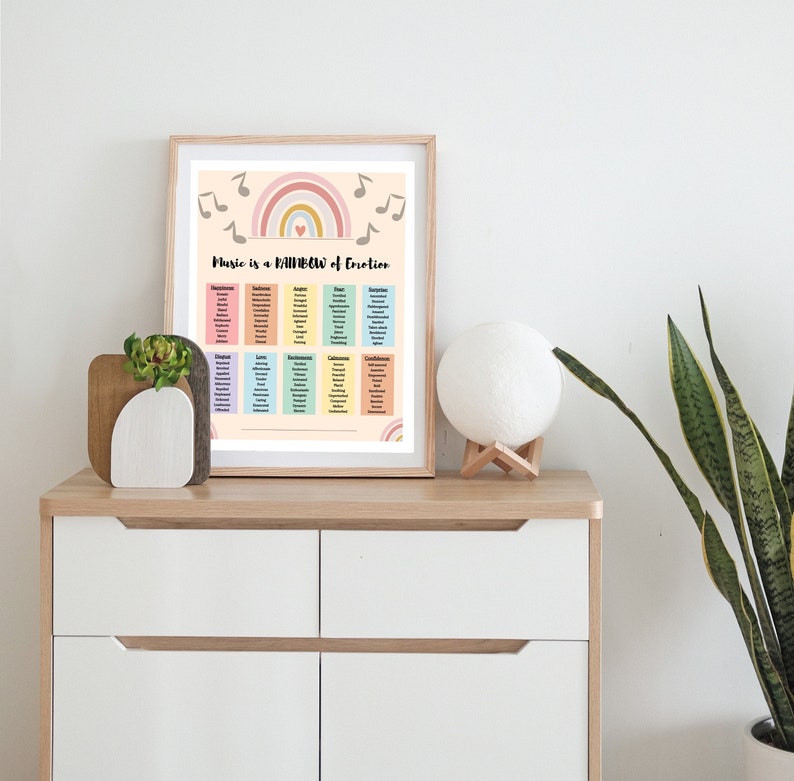
  2. Dynamics: Emotion naturally gives rise to dynamic contrasts. Soft, delicate moments express vulnerability and tenderness, while powerful, fortissimo passages convey strength and passion. A descriptive list of emotions helps musicians identify the appropriate dynamic feel for each emotional context.
  3. Tempo and Rubato: The emotional interpretation of a piece often influences the tempo and the use of rubato (tempo fluctuations). Joyful passages might dance with vivacity, while a sorrowful segment could benefit from a more relaxed, contemplative tempo.

Making Up a Story

One powerful technique for infusing emotion into a performance is to create a narrative or story that aligns with the piece’s structure. This approach not only aids in memory retention but also allows musicians to convey the emotional journey to the audience.

For example, consider a classical composition with three distinct sections: an opening marked by uncertainty, a middle section expressing longing, and a triumphant conclusion. The musician could envision a story of a protagonist overcoming obstacles, searching for a lost love, and ultimately finding redemption. This narrative can guide the musician’s emotional expression throughout the performance, making it a moving experience for both the performer and the listeners.

In the world of music, playing with emotion and feeling is what sets extraordinary performances apart from the ordinary. By using tools like this inexpensive printable poster of emotions and embracing storytelling techniques, musicians can breathe life into their music, connecting with their audience on a profound level. Remember, music is not just about playing notes and rhythms; it’s about sharing your heart and soul through the power of sound. So, pick up your instrument, let your emotions flow, and create musical magic that resonates with the world.

Blog at WordPress.com.

Up ↑