Music is often described as the universal language of emotions. It has the power to convey feelings, tell stories, and touch the depths of our souls. Yet, in our pursuit of technical perfection and precision, we sometimes forget the essence of music itself: emotion and feeling. It is of utmost importance to play a musical instrument with emotion and feeling, as opposed to robotically following notes and rhythms.
Music transcends being a mere sequence of notes and rhythms; it serves as a language through which we express ourselves. When musicians imbue their performances with emotion and feeling, it transforms the entire musical experience for both themselves and their audience. Here’s how emotion influences key aspects of musicality:
- Phrasing: Emotion-driven playing often leads to more thoughtful phrasing. Musicians instinctively infuse their music with life by shaping phrases with rises and falls that mirror the emotional content. For example, a phrase depicting love might feature a gentle crescendo, while one portraying anger could incorporate a sudden, sharp accent.
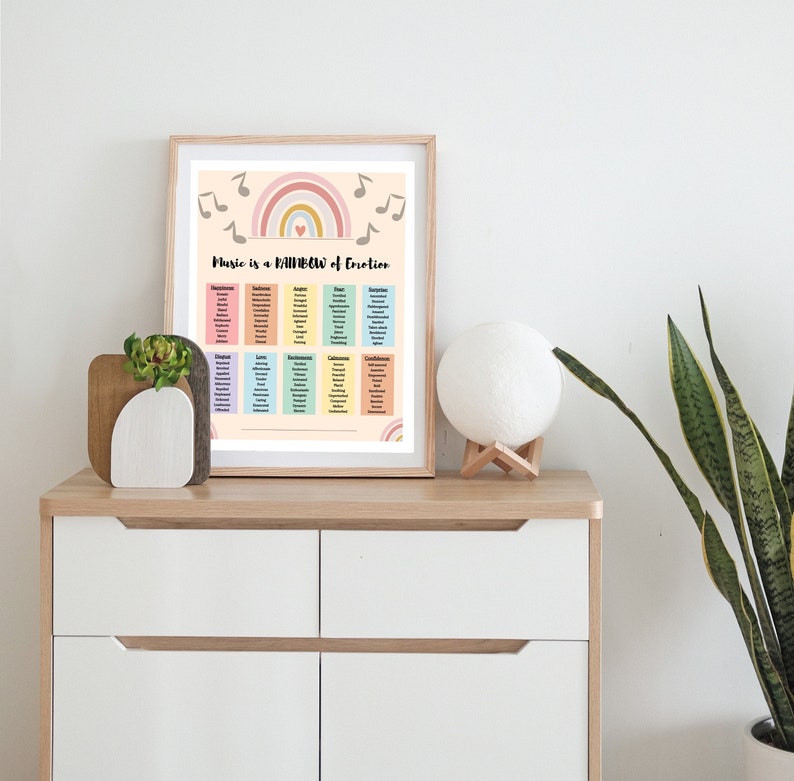
- Dynamics: Emotion naturally gives rise to dynamic contrasts. Soft, delicate moments express vulnerability and tenderness, while powerful, fortissimo passages convey strength and passion. A descriptive list of emotions helps musicians identify the appropriate dynamic feel for each emotional context.
- Tempo and Rubato: The emotional interpretation of a piece often influences the tempo and the use of rubato (tempo fluctuations). Joyful passages might dance with vivacity, while a sorrowful segment could benefit from a more relaxed, contemplative tempo.
Making Up a Story
One powerful technique for infusing emotion into a performance is to create a narrative or story that aligns with the piece’s structure. This approach not only aids in memory retention but also allows musicians to convey the emotional journey to the audience.
For example, consider a classical composition with three distinct sections: an opening marked by uncertainty, a middle section expressing longing, and a triumphant conclusion. The musician could envision a story of a protagonist overcoming obstacles, searching for a lost love, and ultimately finding redemption. This narrative can guide the musician’s emotional expression throughout the performance, making it a moving experience for both the performer and the listeners.
In the world of music, playing with emotion and feeling is what sets extraordinary performances apart from the ordinary. By using tools like this inexpensive printable poster of emotions and embracing storytelling techniques, musicians can breathe life into their music, connecting with their audience on a profound level. Remember, music is not just about playing notes and rhythms; it’s about sharing your heart and soul through the power of sound. So, pick up your instrument, let your emotions flow, and create musical magic that resonates with the world.

 Julia E. Seltzer